
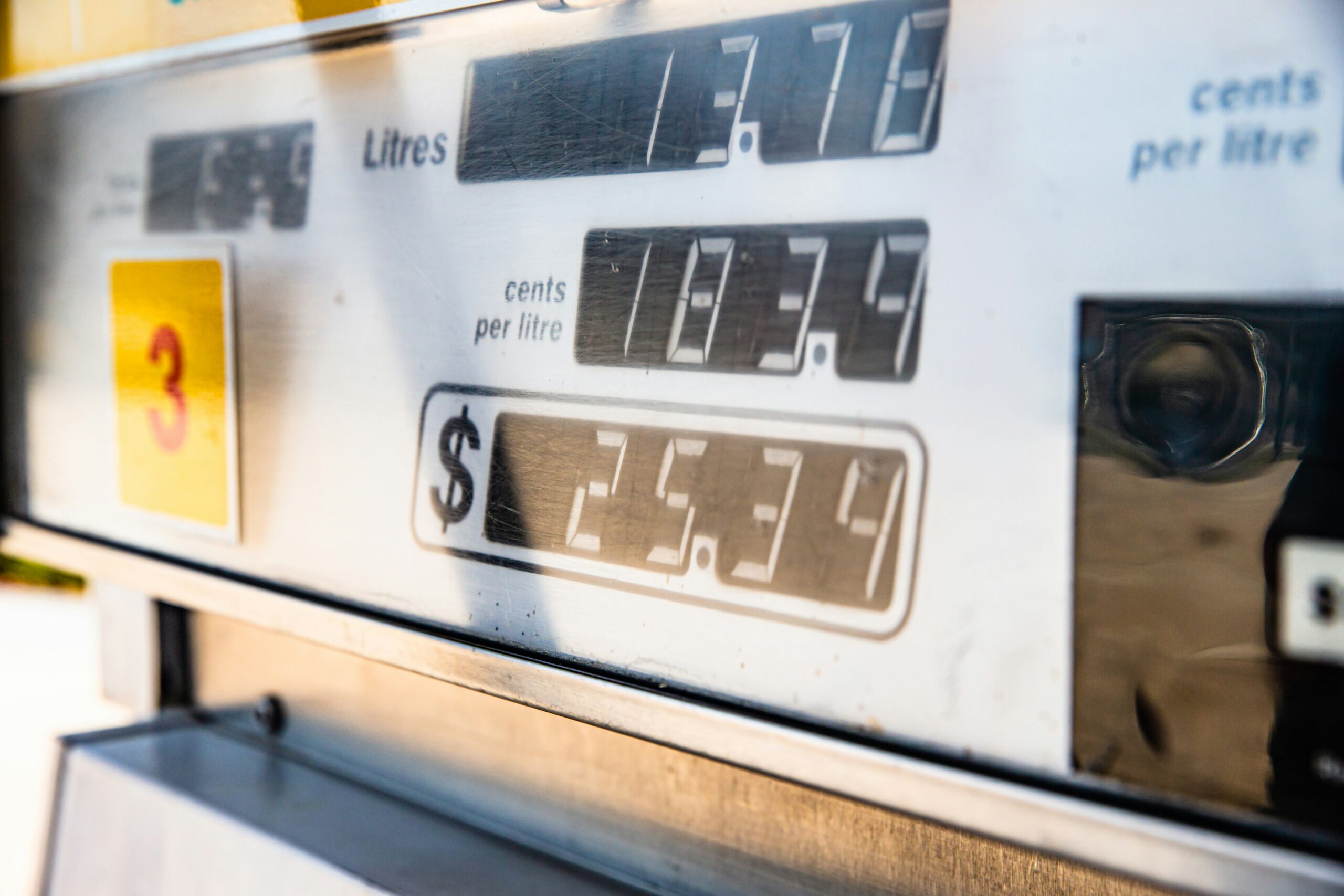
The Iran war has turned into the biggest fuel shock the trucking industry has seen in years, and owner-operators are feeling it every time they fill up. Diesel prices have hit record highs across the country this fall, and the reason traces back to a single chokepoint half a world away: the Strait of Hormuz, through which roughly a fifth of the world’s oil supply normally passes.
This post breaks down what’s actually happening, why diesel keeps climbing even when other fuel news sounds like it should be easing, and what owner-operators can do to protect their margins while the situation plays out.
Why a War in the Middle East Is Hitting Your Fuel Bill
The conflict began in late February 2026 with strikes targeting Iranian leadership and military infrastructure, and it escalated from there into repeated disruptions of shipping through the Strait of Hormuz. That strait carries a huge share of global oil trade, and every time the conflict flares back up, tankers slow down, insurance costs for shipping through the region spike, and crude prices react almost immediately.
Diesel has been hit harder than gasoline, and that’s not a coincidence. U.S. refining capacity has been tight for years, so when crude supply gets disrupted, refiners can’t simply ramp up diesel output to compensate. On top of that, several Middle Eastern refiners that normally supply diesel to global markets have scaled back production because of the conflict, tightening supply even further right as demand from trucking, agriculture, and shipping stays constant.
Just How Bad Is It
Diesel prices have climbed to record highs — over $6.30 a gallon in several states as of late September, more than 70% higher than the same time last year. For context, a truck running a 300-gallon tank is now paying several hundred dollars more per fill-up than it was before the war started, with no sign of a quick return to pre-war pricing.
The volatility has been almost as damaging as the price level itself. Oil prices have swung wildly over the past several months as the conflict has escalated and cooled multiple times — spiking, retreating, then spiking again on renewed attacks on shipping and energy infrastructure. That kind of unpredictability makes it hard to plan more than a week or two of fuel budgeting at a time.
Freight Rates Haven’t Kept Up
Freight rates have seen some increases in 2026, but a large share of those gains are being eaten immediately by higher fuel costs. A modest rate increase that would have meant real profit a year ago now barely covers the added diesel expense on the same lane. For owner-operators running on thin margins to begin with, that gap is the difference between a profitable month and a break-even one.
Fuel surcharges are supposed to close this gap, but they lag actual pump prices and vary widely by broker and contract. If your fuel surcharge structure hasn’t been revisited since diesel was in the $3.50-$4.00 range, it’s almost certainly not covering your real cost anymore.
What This Means for Owner-Operators Right Now
A few practical takeaways for anyone running their own operation through this:
Your old cost-per-mile number is outdated. If you calculated your break-even rate before this spring, it no longer reflects reality. Diesel alone has risen more than 70% year over year, which means your fuel cost per mile has likely jumped by a comparable margin. Recalculate before you accept your next load — a rate that looked fine three months ago may now be a losing one.
Fuel surcharges need to be renegotiated, not assumed. Don’t assume the surcharge on a rate confirmation reflects current diesel prices. Check it against what you’re actually paying at the pump, and push back if it hasn’t been adjusted to match.
Fuel cards matter more than ever. At $6+ per gallon, even a small per-gallon discount adds up fast across a full tank. If you haven’t compared your current fuel card’s network against where you actually fuel, this is the moment that discount is worth the most.
Route planning has real financial weight now. Extra deadhead miles or an inefficient route cost meaningfully more today than they did a year ago. A route that wastes 50 miles used to be a minor inefficiency — at current diesel prices, it’s real money out of your pocket on every trip.
How to Protect Your Margins While This Plays Out
The single most useful thing you can do right now is stop estimating and start calculating. Run your current numbers through a fuel cost calculator using today’s diesel price, not a number from a few months ago, so you know your real per-mile fuel cost. Then feed that into a cost per mile calculator alongside your other fixed and variable costs to get an updated break-even rate.
That updated number is what you should be comparing every load against — not the rate you were comfortable with last spring, but the rate you actually need today. Brokers and shippers are dealing with the same fuel spike, and most understand that rates have to reflect it. Owner-operators who know their real numbers are in a far stronger position to negotiate than those going by feel.
The Bottom Line
The Iran war has pushed diesel to record highs and injected a level of volatility into fuel costs that most owner-operators have never had to plan around. Freight rate increases haven’t kept pace with fuel costs for many lanes, which means the operators protecting their margins right now are the ones recalculating their real costs rather than running on last year’s numbers. Update your cost per mile, scrutinize your fuel surcharges, and treat every load decision as a fresh calculation until fuel prices find a new normal.
Disclaimer: This article is for informational purposes only and reflects fuel prices and market conditions as of late September 2026. Diesel prices and geopolitical conditions can change quickly; always check current pricing and consult your own financial records before making business decisions. TruckerCalc is not responsible for decisions made based on estimates or projections in this article.