
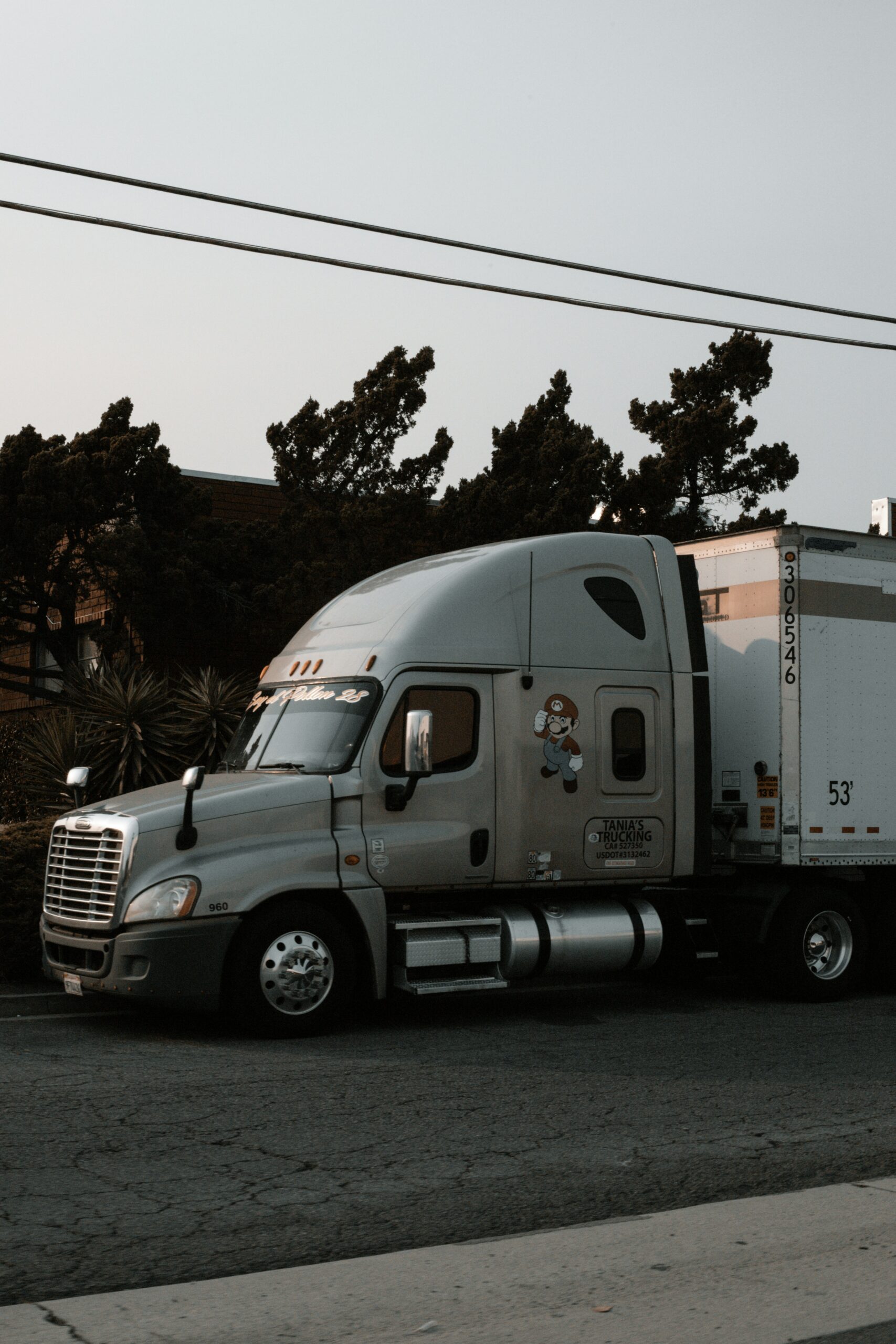
How much does it cost to start as an owner operator? The honest answer is more than most drivers expect — typically $15,000 to $50,000 in upfront cash before you turn a wheel, with another $10,000 to $20,000 in operating reserves needed in the bank to survive your first few months. This guide breaks down every realistic startup cost an owner operator faces in 2026 so you know exactly what you are walking into before you make the leap.
The Total Startup Cost Range for Owner Operators in 2026
Total startup costs for a new owner operator vary dramatically based on the path you take. Buying a used truck cash is a completely different financial picture than leasing through a carrier. Here is the realistic range most operators fall into:
Lower end (lease-purchase or low-down financing): $5,000 to $15,000 upfront. This is the easiest entry point but typically the worst long-term financial decision because lease-purchase programs are structured to favor the carrier, not the driver.
Middle range (financed truck with reasonable down payment): $20,000 to $35,000 upfront. This covers a meaningful down payment on a 2018-2022 used truck, first month of insurance, authority and permits, and some operating reserves.
Higher end (cash purchase of a quality used truck): $40,000 to $75,000 upfront. This is the most financially sound path long-term but requires significant capital. A solid used truck with reasonable miles runs $50,000 to $80,000 cash.
Truck Costs — The Biggest Single Expense
The truck itself is the largest startup expense by a wide margin. Your three realistic options:
Cash purchase of a used truck typically costs $50,000 to $90,000 for a 2018-2022 model with reasonable miles (400,000 to 700,000). Going older saves money upfront but adds risk on maintenance. Going newer means a $100,000+ ticket price. The advantage of paying cash is zero monthly truck payment which dramatically lowers your cost per mile.
Financing a used truck typically requires 10 to 20 percent down. On a $70,000 truck that is $7,000 to $14,000 down. Monthly payments on a 5-year loan at current commercial truck rates run $1,400 to $1,800. You will need decent credit and most lenders want at least one year of driving experience.
Lease-purchase programs offered through carriers require $0 to $3,000 down. The catch is that lease payments are typically $700 to $1,200 per week and most drivers never finish the lease — they walk away and the truck goes back to the carrier. The math rarely works out in your favor.
Insurance Costs and Requirements
Insurance is the second largest startup cost and one of the most underestimated by new owner operators. You will need several types of coverage:
Primary liability insurance (required by FMCSA): $7,000 to $14,000 per year for new authority operators. Many insurers will not write a new authority at all, and those that do charge significantly more for the first year. Most new operators pay monthly which means $600 to $1,200 per month.
Physical damage insurance covering your truck and trailer: $1,500 to $4,000 per year depending on the value of your equipment.
Cargo insurance: $400 to $1,200 per year for standard $100,000 in cargo coverage.
Bobtail and non-trucking liability: $300 to $700 per year.
Most new operators are required to pay the first month upfront plus a down payment equal to 20-30 percent of the annual premium. Budget $2,000 to $4,000 to get your insurance bound before you can run a single load.
Authority, Permits, and Government Fees
Getting your operating authority and required permits costs less than insurance but takes the longest to process. Plan for 4 to 8 weeks total:
MC Number and DOT Number registration through FMCSA: $300 one-time filing fee.
BOC-3 process agent filing required for authority: $40 to $150 one-time.
UCR registration (Unified Carrier Registration): $59 to $176 per year depending on fleet size.
Heavy Vehicle Use Tax (Form 2290): $550 per year for trucks over 75,000 pounds.
IFTA license and decals: $10 to $25 plus a refundable deposit varying by state.
IRP plates (apportioned plates): $1,500 to $2,500 per year depending on your base state and miles run.
State permits and weight distance taxes (KYU, NY HUT, NM, OR): $50 to $500+ depending on which states you run in.
Drug and alcohol consortium enrollment: $100 to $300 per year, required for all owner operators.
Realistic total for authority and permits: $2,500 to $4,500 to get fully legal and operational.
Operating Reserves — The Hidden Requirement
This is the cost most new owner operators underestimate the most. You need cash reserves to survive the gap between starting and getting paid. Most brokers pay on net-30 or net-45 terms which means your first significant revenue may not hit your account for 6 to 8 weeks.
Realistic operating reserves to keep in the bank before you start:
Fuel for the first month: $3,000 to $5,000. Even with a fuel card, you need fuel to run loads to earn revenue.
First month of insurance: $600 to $1,200 if not already paid as part of bind-up.
Maintenance reserve: $2,000 to $5,000. Tires alone can cost $400 to $600 per tire, and you have 18 of them.
Personal living expenses for 60 to 90 days: $5,000 to $10,000. Rent, food, family obligations do not stop while you wait for first payment.
Emergency repair fund: $5,000 minimum. A turbo, transmission, or major engine issue can sideline you for weeks.
Total realistic operating reserves: $15,000 to $25,000 in addition to your upfront startup costs.
Hidden Costs Most New Owner Operators Miss
Beyond the obvious truck and insurance costs, several smaller expenses add up faster than most drivers expect:
ELD (Electronic Logging Device): $150 to $500 upfront plus $25 to $50 per month.
Dashcam (highly recommended for liability protection): $200 to $400 upfront plus optional monthly cloud storage.
GPS designed for trucks: $200 to $400, or use a phone-based solution.
Factoring company setup if you plan to use one: typically no setup fee but they take 1.5 to 4 percent of every invoice.
Business formation (LLC and EIN): $50 to $500 depending on your state.
Business banking account: most are free but expect $25 to $100 minimum opening deposit.
Accounting software or bookkeeper: $30 to $300 per month.
Pre-employment drug test and DOT physical: $100 to $250 if not covered.
Truck inspection sticker and DOT pre-trip kit: $50 to $150.
Hand tools and basic spare parts (extra fuses, fan belts, lights): $200 to $500.
These hidden costs typically add another $1,500 to $3,000 to your startup budget.
How to Reduce Your Startup Costs
Going independent on a tight budget is possible but requires tradeoffs. Three legitimate ways to lower your startup costs:
Lease on with an existing carrier instead of getting your own authority. The carrier provides the authority, insurance, and freight in exchange for a percentage of revenue (typically 70/30 or 75/25 splits). Your startup cost drops significantly because you do not need your own primary liability insurance or authority fees. The tradeoff is you net less per load and have less control.
Buy an older truck with cash. A reliable 2014-2017 model with 600,000 to 900,000 miles can be found for $30,000 to $50,000. You sacrifice newer technology and potentially more maintenance, but you eliminate the truck payment entirely.
Wait and save longer. The single biggest cause of owner operator failure in year one is being underfunded. Spending another six to twelve months building cash reserves before going independent dramatically improves your odds of survival and profitability.
The Bottom Line
How much does it cost to start as an owner operator in 2026? The honest realistic range for a financially sound launch with your own authority is $40,000 to $75,000 total — including a financed or cash truck, insurance, authority, permits, and adequate operating reserves. Lease-purchase paths can lower the upfront number but typically cost more in the long run.
The drivers who succeed long-term as owner operators are the ones who treat the startup phase like a business launch, not just a career change. They have the capital, they know their numbers, and they have a clear plan for the first 90 days. The drivers who fail typically underestimate either startup costs, operating costs, or both — and run out of cash before their business stabilizes.
Before you make the leap, get an honest read on whether you are actually ready financially and operationally.
Know Your Numbers Before You Go Independent
Owner-Operator Readiness Calculator — Get scored on your finances, experience, and business preparation before you go independent.
Cost Per Mile Calculator — Know exactly what it costs to run your truck per mile so every load you accept is profitable.
Load Profitability Calculator — Calculate the real net profit on any load after fuel, deadhead, and operating costs.
Fuel Cost Calculator — Calculate your exact diesel cost for any trip with live EIA regional prices.
Disclaimer: Startup cost ranges in this post are estimates based on industry averages and market conditions as of 2026. Actual costs vary significantly based on your state, credit profile, equipment choices, and operating decisions. TruckerCalc is not a financial advisor and nothing in this post constitutes financial or professional advice. Always consult qualified professionals before making major business decisions.