
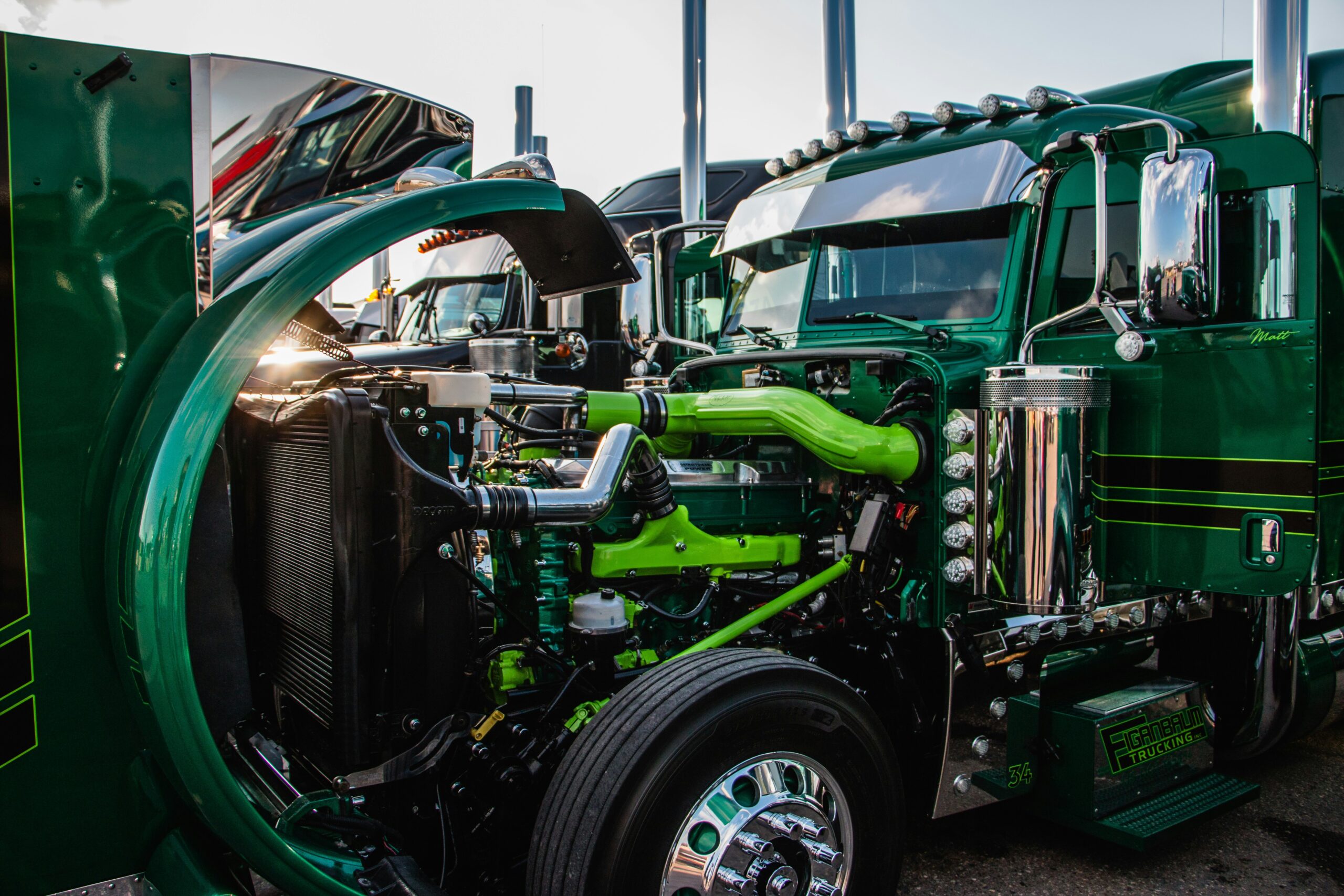
Semi truck maintenance costs are one of the most underestimated expenses for new owner operators. Company drivers never think about them — the carrier handles everything. The moment you own your own truck every oil change, tire, brake job, and unexpected repair comes out of your pocket. This guide breaks down exactly what owner operators spend on maintenance in 2026, how to budget for it per mile, and how to avoid the repair bills that put new operators out of business.
Average Semi Truck Maintenance Cost Per Mile
The industry standard recommendation for owner operators is to budget $0.10 to $0.20 per mile for maintenance and repairs. Where you fall in that range depends on the age and condition of your truck, how well you maintain it, and how many miles you drive.
| Truck Age / Condition | Recommended Maintenance Reserve |
|---|---|
| New truck (0-3 years) | $0.08 – $0.12/mi |
| Mid-age truck (3-7 years) | $0.12 – $0.16/mi |
| Older truck (7+ years) | $0.15 – $0.22/mi |
| High mileage (800K+ miles) | $0.18 – $0.25/mi |
At 100,000 miles per year a $0.15 per mile maintenance reserve equals $15,000 set aside annually. That sounds like a lot until you have a major engine failure or transmission replacement — which can run $15,000 to $30,000 or more on its own.
Use the Cost Per Mile Calculator to build your maintenance reserve into your fixed expenses and see how it affects your minimum acceptable rate on every load.
Semi Truck Maintenance Cost Breakdown
Engine Oil Changes
Oil changes are your most frequent scheduled maintenance item. Most owner operators run full synthetic oil and change it every 25,000 to 50,000 miles depending on the manufacturer’s recommendation and oil analysis results.
Cost per oil change: $200 – $400 including filter Annual cost at 100K miles: $400 – $1,600
Running extended drain intervals with oil analysis can reduce your annual oil change cost while maintaining engine protection. Many experienced operators use oil analysis services to maximize drain intervals safely.
Tires
Tires are one of the largest maintenance expenses for owner operators. A full set of 18 tires on a tractor-trailer costs $4,000 to $8,000 depending on brand and tire type. Steer tires wear slower than drive tires which wear faster than trailer tires under most conditions.
Steer tires: $350 – $550 each, replace every 150,000 – 200,000 miles Drive tires: $250 – $400 each, replace every 100,000 – 150,000 miles Trailer tires: $150 – $300 each, replace every 80,000 – 120,000 miles
Annual tire cost estimate: $3,000 – $6,000 at 100,000 miles
Proper tire inflation and regular rotation extend tire life significantly. Under-inflated tires not only reduce fuel economy — they accelerate tire wear and increase blowout risk.
Brakes
Brake maintenance is both a safety and regulatory requirement. DOT inspections check brake adjustment and lining thickness. Driving with out-of-adjustment or worn brakes is an out-of-service violation.
Brake adjustment: $150 – $300 per axle Brake lining replacement: $300 – $600 per axle Full brake job (tractor and trailer): $1,500 – $3,500
Annual brake cost estimate: $1,000 – $2,500
Filters
Air filters, fuel filters, and DPF filters all require regular replacement. A clogged air filter reduces fuel economy and engine performance. A failed DPF (diesel particulate filter) on a newer emissions-compliant engine can be one of your most expensive repairs.
Air filter: $50 – $150, replace every 50,000 – 100,000 miles Fuel filter: $100 – $200, replace every 25,000 – 50,000 miles DPF cleaning: $300 – $600, every 100,000 – 200,000 miles DPF replacement: $2,000 – $5,000 if damaged
Annual filter cost estimate: $500 – $1,500
Coolant System
Coolant flushes and water pump replacement are commonly overlooked until they cause a breakdown. An overheating engine on the side of the road is expensive — not just the repair but the lost revenue while your truck is down.
Coolant flush: $200 – $400 Water pump replacement: $500 – $1,500 Thermostat replacement: $200 – $500
Annual coolant system cost estimate: $300 – $800
DEF System (Newer Engines)
Post-2010 engines with SCR (selective catalytic reduction) emissions systems require DEF (diesel exhaust fluid) and occasional DEF system maintenance. DEF costs approximately $0.03 to $0.05 per mile. DEF injector and NOx sensor failures are common and expensive on high-mileage emissions engines.
DEF fluid cost: $0.03 – $0.05/mi ($3,000 – $5,000/yr at 100K miles) DEF injector replacement: $500 – $2,000 NOx sensor replacement: $300 – $800
Unexpected Repairs
This is the category that puts underprepared owner operators out of business. No matter how well you maintain your truck unexpected repairs happen. Turbo failure, injector failure, transmission issues, electrical problems — any of these can run $5,000 to $30,000 or more.
Common major repair costs:
| Repair | Estimated Cost |
|---|---|
| Turbocharger replacement | $2,500 – $6,000 |
| Fuel injector replacement (set) | $3,000 – $8,000 |
| Transmission rebuild or replacement | $5,000 – $15,000 |
| Engine overhaul | $15,000 – $30,000 |
| EGR cooler replacement | $1,500 – $4,000 |
| Air compressor replacement | $800 – $2,000 |
| Alternator replacement | $500 – $1,500 |
This is why a maintenance reserve is not optional. A single major repair can wipe out months of profit if you have not been setting money aside.
Annual Maintenance Cost Summary
| Maintenance Category | Annual Cost Estimate |
|---|---|
| Oil changes | $400 – $1,600 |
| Tires | $3,000 – $6,000 |
| Brakes | $1,000 – $2,500 |
| Filters | $500 – $1,500 |
| Coolant system | $300 – $800 |
| DEF system | $3,000 – $5,000 |
| Unexpected repairs reserve | $3,000 – $8,000 |
| Total annual estimate | $11,200 – $25,400 |
At 100,000 miles per year that works out to $0.11 to $0.25 per mile in total maintenance costs — consistent with the industry standard recommendation to budget $0.15 per mile as a baseline.
Newer vs Older Truck — Which Costs More to Maintain?
This is one of the most debated topics among owner operators and the honest answer is that both have trade-offs.
Newer trucks (2020+):
- Lower routine maintenance costs
- Warranty coverage on major components
- Better fuel economy
- High purchase price means higher truck payments
- Complex emissions systems (EGR, DPF, SCR) are expensive to repair when they fail
- Dealer dependency for many repairs
Older trucks (pre-2010 or pre-ELD era):
- Lower purchase price, lower or no truck payment
- Simpler engines that independent shops can work on
- No DEF system, no DPF
- Higher routine maintenance costs
- Increased risk of major repairs on high-mileage engines
- Lower fuel economy
Many experienced owner operators prefer pre-emissions trucks (pre-2007) specifically to avoid the DEF and DPF systems. Others prefer newer trucks for the warranty protection and fuel savings. The right answer depends on your capital position, mechanical ability, and risk tolerance.
How to Reduce Your Maintenance Costs
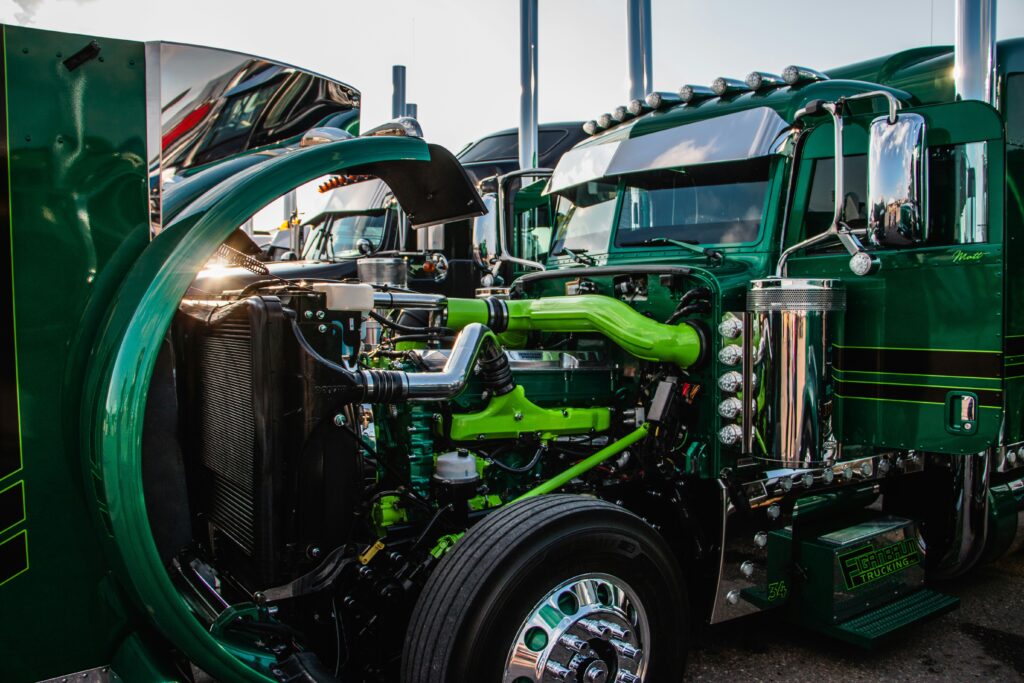
Do preventive maintenance religiously. The most expensive repairs almost always start as minor issues that were ignored. Oil analysis, regular filter changes, and addressing small problems before they become big ones is the most effective cost control strategy available.
Find a reliable independent shop. Dealership labor rates run $150 to $250 per hour. A quality independent truck shop charges $100 to $150. Building a relationship with a shop that knows your truck can save you thousands per year in labor costs.
Learn basic maintenance yourself. Changing your own air filters, checking fluids, adjusting brakes, and performing basic inspections keeps money in your pocket and keeps you informed about the condition of your truck.
Keep a maintenance log. Tracking every service interval, cost, and repair on your truck helps you anticipate upcoming expenses and provides documentation that adds value if you sell the truck.
Build a repair fund. Set aside your maintenance reserve every week without exception. When a major repair hits — and it will — having the cash on hand means you can get back on the road quickly instead of scrambling for financing.
Factor Maintenance Into Every Load Decision
At $0.15 per mile in maintenance costs, a 500 mile loaded run with 50 miles of deadhead costs you $82.50 in maintenance alone before you factor in fuel, insurance, or any other expense. That number needs to be built into your minimum acceptable rate.
Use the Cost Per Mile Calculator to enter your maintenance reserve per mile and see your true cost floor. Then use the Load Profitability Calculator to evaluate whether any load actually covers all your costs before you say yes to a broker.
Before You Go Independent Make Sure You’re Ready
Maintenance costs are one of the financial realities that catch new owner operators off guard. Before you make the leap use the Owner-Operator Readiness Calculator to evaluate whether your savings and financial preparation can handle the real cost of running your own truck.
Know All Your Numbers Before You Hit the Road
- Cost Per Mile Calculator — Build maintenance, fuel, insurance, and all fixed costs into your exact cost per mile.
- Load Profitability Calculator — See the real net profit on any load after all costs before you accept.
- Fuel Cost Calculator — Calculate your exact diesel cost for any trip with live EIA regional prices.
- IFTA Quarterly Tax Calculator — Calculate your quarterly IFTA fuel tax obligation across all states.
Disclaimer: Maintenance cost estimates in this post are based on industry averages for 2026. Actual costs vary significantly based on your specific truck, engine type, mileage, operating conditions, and maintenance practices. TruckerCalc is not a mechanical or financial advisor. Always consult qualified professionals for maintenance decisions and financial planning.