
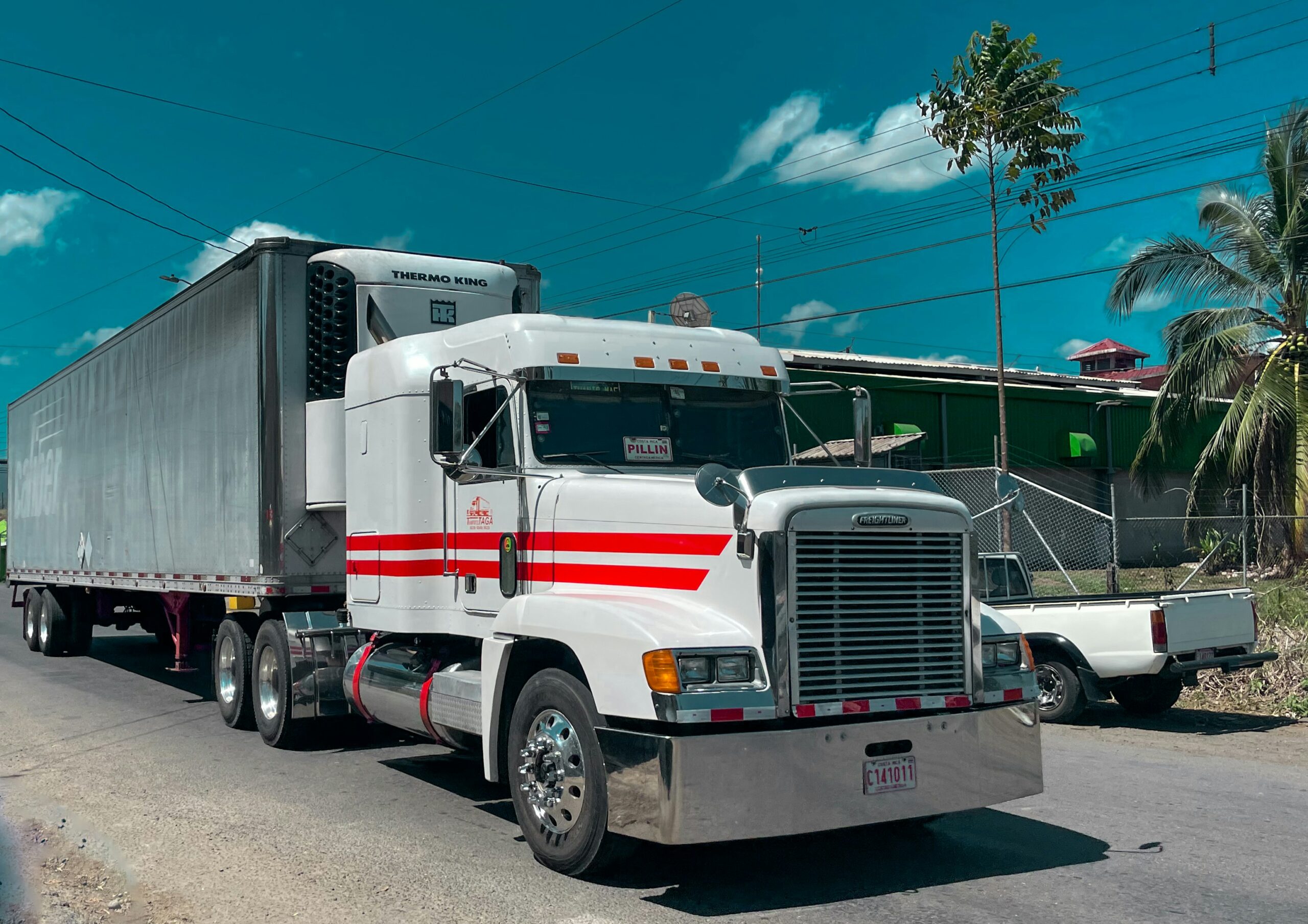
Owner operator insurance cost is one of the biggest financial surprises for drivers going independent for the first time. Company drivers never see the insurance bill — the carrier handles it. The moment you get your own authority that cost lands entirely on you, and it is significant.
Why Truck Insurance Is Different for Owner Operators
Personal auto insurance does not cover commercial trucking. The moment you haul freight for hire you need commercial truck insurance that specifically covers your operation. Operating without proper coverage is not just risky — it is illegal. The FMCSA requires minimum liability coverage as a condition of your operating authority, and shippers and brokers will verify your insurance before they work with you.
The good news is that understanding what you need and why makes it much easier to shop for coverage and avoid paying for things you do not actually need.
Types of Truck Insurance Every Owner Operator Needs
Primary Liability Insurance
Primary liability is the coverage the FMCSA requires as a minimum condition of your operating authority. It covers bodily injury and property damage you cause to other people in an accident while operating your commercial vehicle.
FMCSA minimum requirements:
- For-hire carriers hauling general freight: $750,000 minimum
- Carriers hauling hazardous materials: $1,000,000 to $5,000,000
- Passenger carriers: $1,500,000 to $5,000,000
Most brokers and shippers require at least $1,000,000 in liability coverage regardless of the FMCSA minimum. Carrying the minimum $750,000 may limit the loads you can book.
Annual cost: $5,000 – $12,000 for most owner operators with a clean record
Physical Damage Insurance
Physical damage covers repairs to your own truck and trailer following an accident, theft, fire, or other covered event. It is not federally required but any lender financing your truck will require it as a condition of the loan.
Physical damage coverage is split into two components:
- Collision — covers damage from accidents involving other vehicles or objects
- Comprehensive — covers theft, fire, weather, vandalism, and other non-collision events
Annual cost: $2,500 – $6,000 depending on the value of your truck and your deductible
Motor Truck Cargo Insurance
Cargo insurance covers the freight you are hauling if it is lost, stolen, or damaged while in your care. Most shippers and brokers require cargo insurance, typically with minimums of $100,000.
If you haul high-value freight — electronics, pharmaceuticals, or other specialty cargo — you may need higher limits. Some commodities like household goods, jewelry, and live animals require special endorsements.
Annual cost: $1,000 – $3,000 for standard dry van or flatbed freight
Bobtail Insurance
Bobtail insurance covers your truck when you are driving without a trailer — either between loads or after dropping a trailer at a facility. Primary liability only covers you when you are under dispatch hauling freight. Bobtail fills the gap.
If you lease on with a carrier they may provide bobtail coverage. If you run under your own authority you need your own policy.
Annual cost: $350 – $600
Non-Trucking Liability (NTL)
Non-trucking liability is similar to bobtail but covers personal use of the truck — driving to the grocery store, running personal errands, or any use outside of commercial operations. If you lease on with a carrier NTL is typically what they provide rather than bobtail.
Annual cost: $300 – $500
Occupational Accident Insurance
Occupational accident insurance is not required but is strongly recommended. As an independent contractor you are not covered by workers compensation if you are injured on the job. Occupational accident covers medical expenses, disability payments, and accidental death benefits if you are hurt while working.
Annual cost: $1,200 – $2,400
Total Annual Insurance Cost for Owner Operators in 2026
Understanding your full owner operator insurance cost before you go independent is essential — it is one of the largest fixed expenses in your operation
| Coverage Type | Annual Cost Range |
|---|---|
| Primary liability ($1M) | $5,000 – $12,000 |
| Physical damage | $2,500 – $6,000 |
| Motor truck cargo | $1,000 – $3,000 |
| Bobtail / NTL | $300 – $600 |
| Occupational accident | $1,200 – $2,400 |
| Total estimate | $10,000 – $24,000/yr |
Most owner operators with a clean record running dry van or flatbed pay between $12,000 and $18,000 per year for a complete insurance package. That works out to $1,000 to $1,500 per month — a significant fixed cost that needs to be factored into your cost per mile before you accept a single load.
Use the Cost Per Mile Calculator to build insurance into your monthly fixed expenses and see exactly how it affects your minimum acceptable rate.
What Affects Your Insurance Premium
Driving record. Your MVR (motor vehicle record) is the single biggest factor insurers look at. A clean record over the past 3-5 years significantly lowers your premium. DUIs, reckless driving convictions, and at-fault accidents all raise premiums substantially — in some cases making it difficult to get coverage at all.
Years of CDL experience. Insurers treat new CDL holders as high risk. Drivers with under 2 years of commercial experience pay significantly more than experienced operators. This is one of the strongest arguments for running company miles for 2+ years before going independent.
Type of freight. Hazmat, oversized loads, and certain specialty commodities carry higher premiums due to increased risk. Standard dry van and flatbed freight are the most straightforward to insure.
Truck value. Physical damage premiums are based on the value of your truck. A newer truck worth $150,000 costs more to insure than a paid-off truck worth $40,000. Higher deductibles lower your premium but increase your out-of-pocket cost if you have a claim.
Operating radius. Local and regional operators sometimes pay lower premiums than long-haul OTR drivers due to lower exposure to accident risk over fewer miles.
Credit score. Many commercial insurers factor in personal credit when setting premiums. A higher credit score can lower your rate.
Prior claims. A history of claims — even minor ones — will raise your premiums. Some insurers will not write a policy for drivers with multiple recent claims.
How to Lower Your Insurance Costs
Shop multiple carriers. Commercial truck insurance rates vary enormously between insurers for the same coverage. Get quotes from at least 3-5 carriers or work with an independent agent who specializes in trucking to compare options efficiently.
Build experience before going independent. Two years of verifiable commercial driving experience with a clean record can reduce your premium by $3,000 to $5,000 per year compared to going independent immediately after getting your CDL.
Raise your deductible. Increasing your physical damage deductible from $1,000 to $2,500 or $5,000 lowers your annual premium. This makes sense if you have the cash reserves to cover the deductible in the event of a claim.
Pay annually instead of monthly. Many insurers offer a discount for paying your annual premium upfront rather than in monthly installments. If you have the capital this can save 5-10 percent.
Maintain a clean record. Every year without a claim or violation improves your renewal rate. The long-term cost of a DUI or at-fault accident is not just the fine — it is years of elevated insurance premiums.
Bundle coverage with one carrier. Purchasing all your coverages through one insurer often results in a multi-policy discount and simplifies your claims process.
Insurance Costs by Experience Level
| Experience Level | Estimated Annual Premium |
|---|---|
| New CDL, under 1 year experience | $18,000 – $30,000+ |
| 1-2 years experience, clean record | $14,000 – $22,000 |
| 2-3 years experience, clean record | $11,000 – $18,000 |
| 3+ years experience, clean record | $10,000 – $15,000 |
| 5+ years, clean record, no claims | $8,000 – $13,000 |
New operators with limited experience often struggle to find affordable coverage. Some carriers specialize in writing policies for new authorities — expect to pay a premium for that access in your first year or two.
Factor Insurance Into Your Cost Per Mile
At $15,000 per year in total insurance costs and 100,000 miles driven, insurance alone adds $0.15 per mile to your cost per mile. At $18,000 per year it is $0.18 per mile. That needs to be built into your minimum acceptable rate on every load.
Use the Cost Per Mile Calculator to enter your monthly insurance cost as a fixed expense and see your true cost per mile. Then use the Load Profitability Calculator to make sure every load you accept covers all your costs including insurance.
Are You Ready to Handle Insurance Costs as an Owner Operator?
Insurance is one of the biggest financial shocks for new owner operators. Before you make the leap use the Owner-Operator Readiness Calculator to get an honest score on whether your finances can handle the full cost of going independent — including insurance, truck payments, and operating expenses.
Make Sure Your Numbers Are Dialed In
- Cost Per Mile Calculator — Build your complete monthly expenses including insurance into your cost per mile so you always know your minimum rate.
- Load Profitability Calculator — See the real net profit on any load after all costs including insurance before you accept.
- Fuel Cost Calculator — Calculate your exact diesel cost for any trip with live EIA regional prices.
- Owner-Operator Readiness Calculator — Find out if you are financially ready to handle the full cost of going independent.
Disclaimer: Insurance costs in this post are estimates based on industry averages for 2026. Actual premiums vary significantly based on your driving record, experience, equipment, freight type, operating area, and the insurer. Always get multiple quotes from licensed commercial truck insurance agents before purchasing coverage. TruckerCalc is not an insurance advisor.